8 Times a Day: Living the "War Routine"
My country has been at war for a while now, and we keep heading back and forth to the shelters. It’s strange, but we have started to get used to it. So, what is it like to live like this for a long time? We balance the memory of a peaceful family vacation with the reality of eight alarms a day, finding a "war routine" that keeps us moving forward for the sake of our children’s future.

Published by
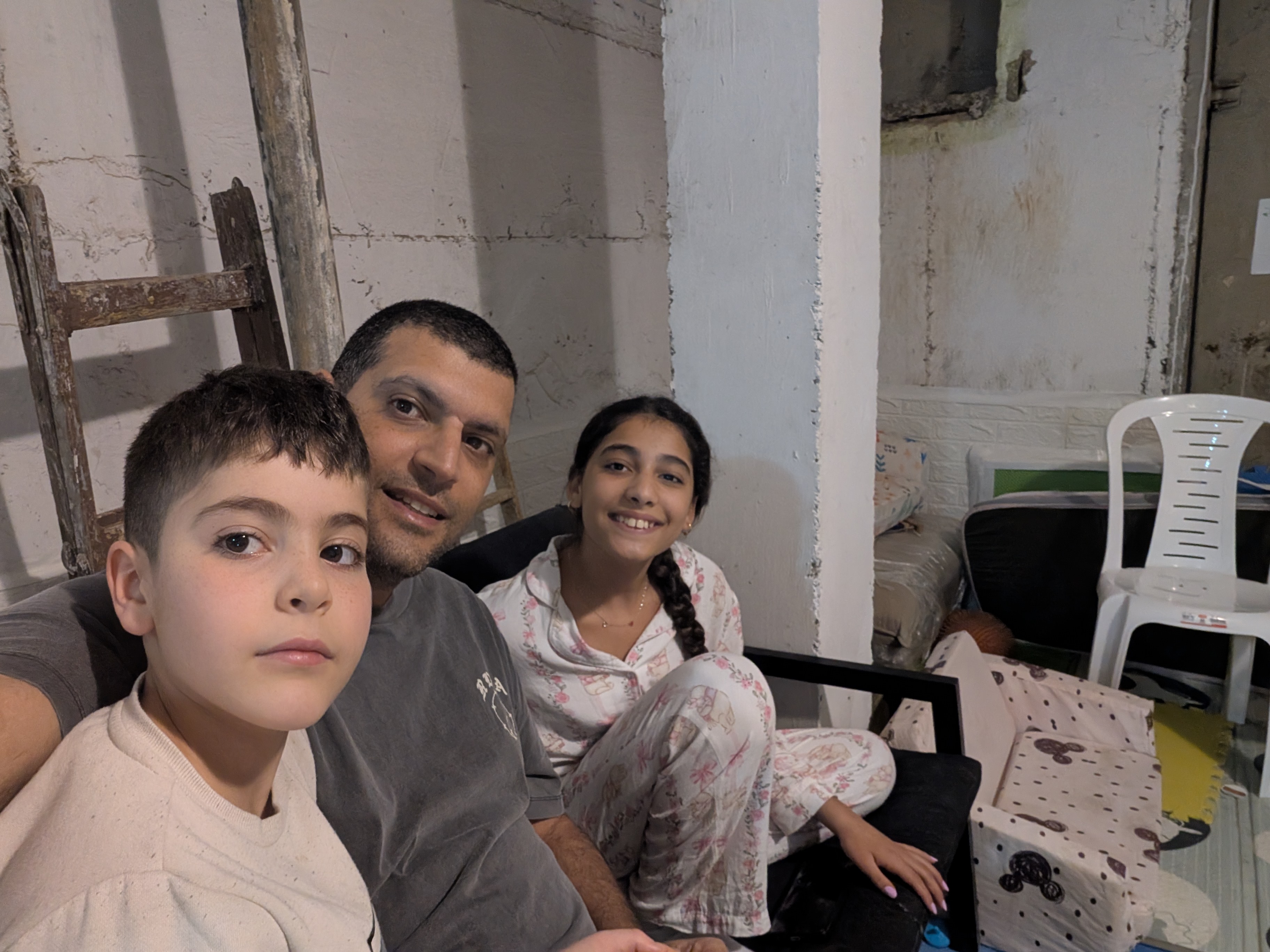
Living in a War Routine
My country has been at war for a while now, and we keep heading back and forth to the shelters. It is strange, but we have started to get used to it. So, what is it like to live like this for a long time?
It has been a couple of weeks now. At first, it was scary. We have an alarm system and a pre-alarm system, so basically, we have enough time to find a safe place. But it is more than just that. Our kids are not going to school and some of us are working from home; we are living in a "war routine." It is not easy, but we know we must do it. We must keep going.
Two days before the war started, we were on our first family trip to Thailand. It was great and fun not just because we were on vacation, but because we were all in a safe place when the war began. I sometimes think about what it would have felt like if we had missed our flight and the vacation had been canceled because of the war. For once, we could protect our children from the alarms and the bombing and just enjoy ourselves.
We were there for two and a half weeks, and like people say, "time flies when you’re having fun." Eventually, we had to return to our country. I tried to find ways to stay longer, but it was not really possible. We had been assigned to a rescue flight, and if we denied our tickets, we might have been stuck there for a long time with no way to know when flights would return or at what cost. So, we returned. We go to the shelter eight times a day. We are sometimes tired and sometimes upset, but we keep going because we know this is an important war for the future of our children.
The Sound of the Routine
When you live this way, your ears become very sensitive. Every motorcycle passing by or a loud truck outside makes you jump for a second because it sounds like the beginning of an alarm. You learn to live in "standby mode." Even when you are showering or cooking dinner, one ear is always listening for that specific sound. It is a strange way to live, but it becomes the new normal. You stop planning big things for the day and start planning in small gaps of time between the alarms.
If there is silence for three hours, you feel like you've won a prize. You use that time to do everything laundry, cleaning, or just sitting on the balcony for a moment of fresh air. But the "war routine" is always there in the back of your mind. You never really fully relax, even when it is quiet.
How to find a nearby shelter?
My kids are almost teenagers. They used to come and go freely from our house, but now they know they have to stay nearby and let us know every time they reach their destination. They are only kids, but they know what to do when the alarm starts. I wish they didn’t know anything about alarms, wars, and shelters like "normal" kids, but from a historical perspective, it could be worse.
So, how do you find a nearby shelter? First, you have to plan the route you are taking in your head. Then, you think: What should I do if an alarm catches me on the way? If I am in my car going shopping, I stop near a house or a mall, get out of the car, and find a safe place. If there is nothing around, I should get down on the floor, put my hands over my head, and wait for it to end.
There are a lot fewer people on the streets these days, but life continues as "usual." Shops are open, and buses and most transportation are working (except for flights). The kids were happy to come back from Thailand. I know it’s weird, but kids like their home even if it is at war. They missed their friends and their beds "their place."
The Neighborhood Bonds
One thing about going to the building shelter eight times a day is that you get to know your neighbors very well. Before the war, we just said "hello" in the elevator. Now, we know who likes their coffee black, who has the most stressed dog, and whose kids are struggling with their homework.
We have turned the shelter into a small community space. Someone brought a few chairs, someone else brought a box of toys for the younger children, and there is always a bottle of water and some snacks. When the alarm goes off and we all run down there, we check on each other. "Is everyone here? Is the family from the third floor okay?" It makes the situation a little bit easier when you feel like you are not alone in it. We talk about the news, but we also talk about normal things recipes, movies, or the weather just to feel like life is still happening.
Bringing the Fun to the Shelter
Since the kids are almost teenagers, keeping them off their screens for a few minutes while we are underground is a challenge. We started looking for ways to make the time in the shelter pass faster, so I looked for compact games on Amazon that we could carry easily. We found that fast-paced card games like Taco Cat Goat Cheese Pizza or Exploding Kittens are perfect. They are small enough to fit in a pocket or a small "shelter bag," and they don't have a lot of tiny pieces that can get lost on the floor.
Sometimes we play more strategic games like Skyjo or even Monopoly Deal, which is much faster than the regular board game. For the kids, these games are a welcome distraction from the sirens and the news on their phones. It turns a scary situation into a moment where we are just a family playing a game together. Even our neighbors sometimes join in or watch, and for ten minutes, the shelter doesn't feel like a hiding place it feels like a living room. It’s a small way to reclaim a bit of "normal" life during the war routine.

More buying option
Taco Cat Goat Cheese Pizza
Heads up: Our links default to Amazon.com, but we've got you covered. If you're reading from overseas, select your local Amazon store below for faster shipping and regional pricing!
United States store
Life goes on
Everyone is asleep in my house now. It is Saturday morning. We just woke up at 6:00 AM to find ourselves and all our neighbors in our building's shelter. Now everyone is back to sleep except me. I can’t go back to sleep easily after I wake up, especially in the morning. I’m writing these words and thinking: What am I doing awake? Go to sleep! But I just can’t.
Finding activities for the kids is challenging during a war. They spend most of their time around screens, and when they want to go out, we have to plan it. Although they say they like that there is no school and they are at home, I know they miss it. Being at home for a long time is not good for anyone.
Looking Toward the Future
We talk to the children about the future a lot. We tell them that this will end and that school will open again. We look at photos from our trip to Thailand and plan where we want to go next time. It is important to give them something to look forward to so their world doesn't feel like it is just the four walls of our house and the shelter.
Even though it is hard, we find strength in the small things. A good meal together, a movie night without an interruption, or just seeing the kids laugh at a joke. We live day by day, hour by hour. We don't know when the "usual" life will return, the one with open skies and no alarms, but we stay hopeful. We keep going because we have to, and because our home even with the sirens is still our home.

more buying option
Exploding Kittens
Heads up: Our links default to Amazon.com, but we've got you covered. If you're reading from overseas, select your local Amazon store below for faster shipping and regional pricing!
United States store


Discussion
Reader comments
0 approved